Micro-forests can be beneficial for bird populations, especially in densely-packed environments like Long Island. Here’s how they help:
- Habitat Creation: Micro-forests provide a dense and multi-layered habitat that mimics natural forests, offering shelter from predators and the elements. This is crucial in urban areas with limited green spaces.
- Food Sources: The diverse mix of native trees, shrubs, and plants in a micro-forest attracts a variety of insects, which are a primary food source for many bird species. They also provide fruits, berries, and seeds depending on the plant species.
- Nesting Sites: The dense vegetation offers safe and protected nesting locations for different types of birds.
- Increased Biodiversity: By creating a diverse ecosystem, micro-forests can attract a wider range of bird species compared to monoculture plantings or barren urban spaces. Studies have shown micro-forests can host significantly more species of plants and animals, including birds, compared to conventional managed green spaces.
- Wildlife Corridors: When strategically planted, micro-forests can act as “stepping stones” connecting larger green spaces, allowing birds and other wildlife to move more safely through urban landscapes.
- Microclimate Regulation: The dense canopy of a micro-forest can create a cooler microclimate, which can be beneficial for birds, especially in urban heat islands.
- Protection from Disturbance: The density of the planting can offer some buffer against human disturbance compared to more open areas.
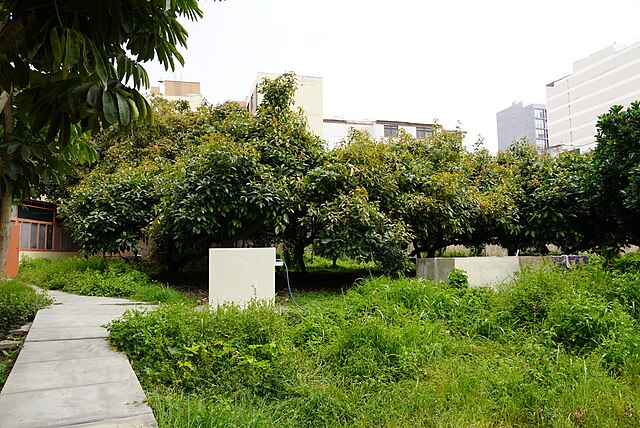
Evidence and Examples:
- Studies have shown a significant increase in bird and insect activity in established micro-forests.
- Micro-forest projects have reported the return of native bird species to urban areas where they were previously absent.
- The Miyawaki method, a popular approach to creating micro-forests, emphasizes the use of native species planted densely, which is particularly beneficial for local wildlife, including birds.
While micro-forests are small, their dense structure and focus on native species create valuable pockets of biodiversity that can significantly support local bird populations in urban and degraded environments.
SOURCES
Forest microclimate and composition mediate long-term trends of breeding bird populations
 C Bird Labs